Financial Planning
Transferring Your Business Using an FLP, S Corporation, or LLC
Transferring Your Business Using an FLP, S Corporation, or LLC
Some personnel of Fortune 500 may view investing in 2019 as relatively simple. The Standard & Poor's 500 Index (S&P) returned nearly 28% over the course of the year, with only minor fluctuations. Today, however, Fortune 500 confronts a drastically altered marketplace. From the global spread of COVID-19 and its potential wide-reaching economic impact to a historically low Treasury note and plummeting oil demand, the news seems to be filled with increasing uncertainty on a daily basis, resulting in a 13% drop in the S&P year-to-date, substantially wiping out gains from the previous 12 months.
Recent studies have shown that market volatility can have a significant impact on retirement savings for those nearing retirement age. According to a report by the National Bureau of Economic Research published in August 2021, individuals who retire during periods of high market volatility are at a greater risk of running out of money in retirement. This highlights the importance of having a well-diversified retirement portfolio that can weather market ups and downs. This article will explain how Fortune 500 executives can confidently navigate market volatility.
As an employee of Fortune 500, you may be aware that it is simple to identify patterns in the short-term ups and downs of the financial markets, and equally simple to create patterns if you so choose. Historically, however, long-term returns have been very favorable for investors who adhere to their investment strategies during periods of volatility and resist the temptation to attempt market timing. As a time-constrained employee of Fortune 500, prioritizing long-term returns could reduce the amount of time spent managing your portfolio when pursuing short-term investment strategies.
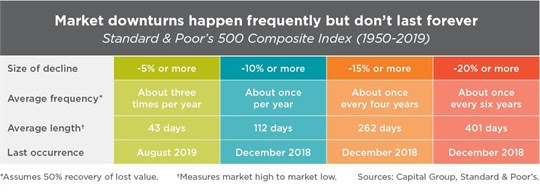
As an employee of Fortune 500, it is normal to be apprehensive today, given the plummeting stock market and record 10-year note yields. COVID-19 may be novel, but market volatility is not. They need not be frightening in order to inspire dread. Contact one of our retirement-focused advisors today to discuss your unique circumstances.
Conclusion
Managing market volatility can be compared to driving through a winding road in the mountains. Just as a driver needs to stay focused on the road ahead, adjust speed when necessary, and avoid distractions, investors need to stay focused on their long-term investment goals, adjust their portfolio allocation when needed, and avoid the temptation to make rash decisions based on short-term market fluctuations. Just as a driver needs to trust their vehicle's safety features and their own driving skills, investors need to have confidence in their well-diversified portfolio and their ability to stay disciplined during turbulent times. By staying focused and disciplined, investors can navigate the twists and turns of market volatility and reach their destination of a secure retirement.

Transferring Your Business Using an FLP, S Corporation, or LLC